Expat Living
expat living
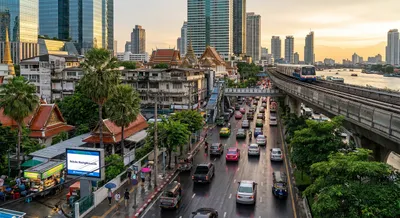
Bangkok, Thailand: Southeast Asia’s Most Complete Metropolis
That said, expect the usual big-city nuisances. Scams targeting tourists (tuk-tuk tours upsells, gem scams) occur occasionally, and bribery and...
Expat Living
Expat living means living outside your country of citizenship, usually for work, study, retirement, or personal reasons. People who do this often move to another country for a fixed time or with the intention to stay longer, and they balance life between their home country and where they now live. Practical considerations include legal residency or work permits, finding housing, navigating healthcare, and managing finances across borders. Daily life often involves learning new social norms and sometimes a new language, which can be exciting but also challenging. Building a local social network can make a big difference in feeling settled, and many people join clubs or online groups to meet others. Expat living matters because it broadens career opportunities, personal growth, and cultural understanding for both the individual and the host community. It can offer higher salaries, different job experiences, or a lower cost of living depending on the destination. At the same time, people living abroad may face homesickness, culture shock, and logistical hurdles like tax rules or remittance transfers. Planning ahead, researching the destination, and staying flexible help make the transition smoother. For many, the rewards of new friendships, fresh perspectives, and practical gains outweigh the challenges of adapting to life in another country.
Get New Relocation Research & Podcast Episodes
Subscribe to receive new research updates and podcast episodes about moving abroad, best places to live, expat life, remote work destinations, retirement abroad, cost of living, visas, safety, healthcare, and quality of life.