Public Transit
public transit
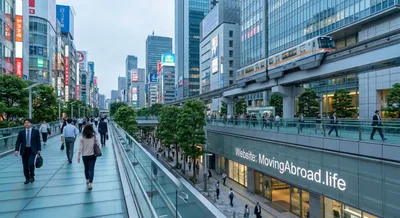
Tokyo, Japan: Ultra-Safe Megacity for the Determined
Housing rents: Tokyo’s living costs are high, especially in popular wards. For example, central wards like Meguro average around ¥225,000 per month...
Public Transit
Public transit refers to shared transportation services that move people along set routes and schedules, such as buses, subways, trains, trams and ferries. Instead of driving a private car, people pay a fare or use a pass to ride vehicles that carry many passengers at once. This system connects homes, workplaces, schools and shops, making it possible for people to travel without owning a car. Public transit matters because it reduces traffic congestion, lowers pollution and uses road and energy space more efficiently than many single-occupant cars. Well-designed networks can also improve social equity by giving people without cars reliable access to jobs, education and services. Key features include frequent service, clear schedules and maps, accessible stations for people with disabilities and affordable fares. Planners aim for coverage that matches where people live and work so trips are fast and convenient, which encourages more people to ride. Reliability and safety are important: delays, crowding or service cuts can make transit less useful and push riders back into cars. Many cities invest in modern ticketing systems, real-time information and dedicated lanes to speed transit and make it easier to use. Using public transit can save riders money, reduce stress from driving, and support healthier, more walkable neighborhoods. Overall, public transit is a backbone of city life that shapes how neighborhoods grow, how people move and how sustainable a place can be.
Get New Relocation Research & Podcast Episodes
Subscribe to receive new research updates and podcast episodes about moving abroad, best places to live, expat life, remote work destinations, retirement abroad, cost of living, visas, safety, healthcare, and quality of life.