Motorbike Culture
motorbike culture
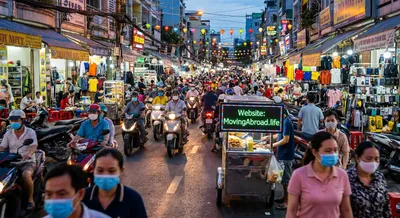
Ho Chi Minh City, Vietnam: High-Energy Value Play
Overall Vietnam is very safe by regional standards (). Violent crime is low, but you must watch out for petty theft and roadside snatchings,...
Motorbike Culture
Motorbike culture refers to the way motorcycles and scooters shape daily life, transportation habits, and social interactions in a place. In many cities, they are the main form of transport because they are affordable, agile in traffic, and easier to park than cars. Riding a motorbike affects everything from how people commute to how goods are delivered, and it supports businesses like mechanics, parts shops, and rental services. There is also a strong social element: group rides, local clubs, and personalized bikes create community and personal expression. Practical skills such as riding, maintenance, and navigating crowded streets become part of everyday competence for many residents. The culture influences city design too, with roads, parking, and traffic rules often adapted to high motorcycle use. At the same time, heavy motorbike use brings challenges like noise, air pollution, and safety risks that cities must manage. Helmet laws, rider training, and traffic enforcement are important measures to reduce accidents and injuries. For visitors and newcomers, understanding local motorbike norms helps with safe travel and avoids misunderstandings on the road. Motorbike culture matters because it affects mobility, the economy, and daily rhythms of life, shaping how people move, work, and socialize. Whether experienced as freedom and convenience or as congestion and hazard, motorbikes are a powerful influence on urban life.
Get New Relocation Research & Podcast Episodes
Subscribe to receive new research updates and podcast episodes about moving abroad, best places to live, expat life, remote work destinations, retirement abroad, cost of living, visas, safety, healthcare, and quality of life.