Vietnam Taxes
Vietnam taxes
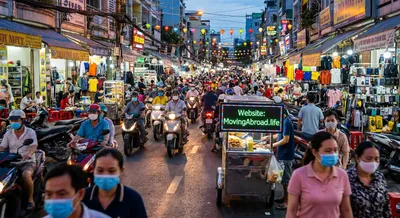
Ho Chi Minh City, Vietnam: High-Energy Value Play
Overall Vietnam is very safe by regional standards (). Violent crime is low, but you must watch out for petty theft and roadside snatchings,...
Vietnam Taxes
Vietnam taxes are the system of levies the government uses to collect money from individuals and businesses to pay for public services and infrastructure. They include personal income tax, corporate income tax, value-added tax (VAT), and various social insurance contributions. Personal income tax uses a progressive rate structure, so higher earners pay a larger percentage of their income. Companies pay corporate tax on their profits, but the country also offers incentives such as reduced rates or exemptions to attract foreign investment and encourage certain industries. VAT applies to most goods and services at a single or reduced rate depending on the item, and it is collected at each stage of production and sale. Employers and employees contribute to social insurance funds for health care, pensions, and unemployment benefits, which adds to the overall tax and cost of employment. Filing, registration, and compliance rules can be different for residents, nonresidents, small businesses, and multinational firms, making professional advice useful. Understanding the tax system matters because it affects take-home pay, business profitability, pricing, and investment decisions. Knowing available deductions, exemptions, and deadlines can save money and avoid penalties, while awareness of incentives can shape where and how people choose to work or invest in the country.
Get New Relocation Research & Podcast Episodes
Subscribe to receive new research updates and podcast episodes about moving abroad, best places to live, expat life, remote work destinations, retirement abroad, cost of living, visas, safety, healthcare, and quality of life.