Immigration
Immigration
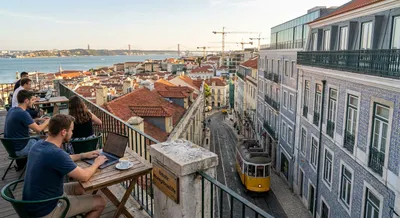
Lisbon, Portugal: Atlantic Tech Hub With Old-World Charm
That said, safety varies by neighborhood and time of day. In tourist hotspots like Baixa/Rossio and Chiado – especially around major squares and...
Immigration
Immigration is the process of people moving from one country to another to live, work, study, or join family members for an extended period of time. It often involves obtaining permission through visas, residence permits, or citizenship applications, and can be driven by many reasons: job opportunities, education, family reunification, safety from conflict, or a desire for a different lifestyle. For the person who moves, immigration can open new opportunities, improve living standards, and offer personal freedom, but it also often requires adjusting to a new language, culture, and legal system. For receiving countries, newcomers can fill labor shortages, bring skills and innovation, and add cultural richness, while also creating challenges in housing, public services, and social integration if growth is rapid. Immigration policies and rules shape who can enter and stay, how long they can work, and what benefits or protections they receive. Understanding these rules helps migrants plan their moves and protects their rights during the transition. It matters because balanced immigration practices affect economies, social cohesion, and individual lives—both for those arriving and the communities they join. Clear information about legal steps, rights, and local resources can make the difference between a successful move and unnecessary difficulties.
Get New Relocation Research & Podcast Episodes
Subscribe to receive new research updates and podcast episodes about moving abroad, best places to live, expat life, remote work destinations, retirement abroad, cost of living, visas, safety, healthcare, and quality of life.